
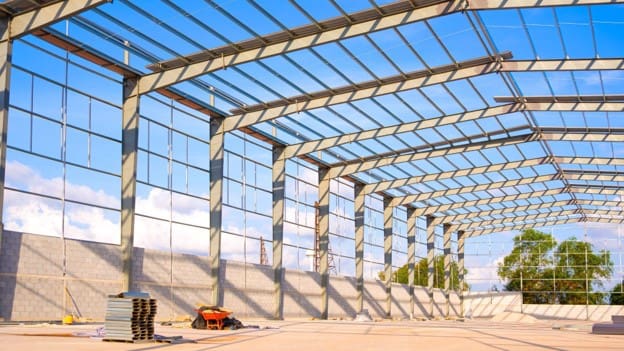
Ever walked into a steel building on a summer afternoon and felt that trapped heat hit you instantly? Effective thermal control in steel structures depends on smart insulation layers, reflective barriers, and controlled ventilation that work together to keep indoor temperatures stable and comfortable.
In this blog, we will break down how thermal control actually works in steel buildings and what builders can do to improve summer occupant comfort. This blog will cover key strategies, materials, and design considerations that help maintain a cooler indoor environment without guesswork.
Understanding Why Steel Buildings Overheat
Heat Gain Through Metal Surfaces
Steel conducts heat quickly. When the sun hits a metal roof or wall, that heat transfers indoors faster than in traditional materials. Without proper insulation, interior spaces can become uncomfortably warm within hours.
Air Movement and Heat Trapping
Warm air rises and gets trapped under the roof. In poorly designed buildings, this creates a hot zone that radiates heat downward, affecting the entire space.
The Role of Insulation in Summer Comfort
Creating a Thermal Barrier
Insulation slows down heat transfer. With the right layers in place, we can prevent external heat from entering and internal cool air from escaping.
Types of Insulation That Perform Well
Not all insulation materials behave the same under summer conditions. High-performance systems include:
- Fiberglass systems designed for metal buildings
- Rigid board insulation for consistent coverage
- Spray foam that seals gaps and prevents air leakage
Our steel building insulation services focus on selecting and installing materials that maintain performance even during peak heat.
Reflective Systems That Reduce Heat Load
Reflective Barriers Explained
Reflective surfaces bounce radiant heat away before it enters the structure. This reduces the overall heat load on the building.
Where Reflection Matters Most
Roof assemblies benefit most from reflective systems, as they receive the highest solar exposure. Combining reflective layers with insulation significantly improves indoor comfort.
Ventilation Strategies That Support Cooling
Letting Heat Escape Naturally
Ventilation plays a key role in thermal control. By allowing hot air to exit, we reduce heat buildup inside the building.
Smart Ventilation Approaches
We recommend a mix of passive and active solutions:
- Ridge vents to release hot air from the top
- Wall louvers to improve airflow
- Mechanical exhaust systems for larger facilities
Proper airflow works alongside insulation rather than replacing it.
Practical Steps Builders Can Follow
A Structured Approach to Thermal Control
To improve comfort during summer, we follow a clear process:
- Assess the building orientation and sun exposure
- Choose insulation systems suited for metal structures
- Integrate reflective layers in roof and wall assemblies
- Design ventilation pathways for continuous airflow
- Seal gaps to prevent unwanted heat infiltration
This method ensures that every part of the building contributes to temperature control.
Why Proper Installation Matters
Performance Depends on Precision
Even the best materials can underperform if installed incorrectly. Gaps, compression, or poor sealing can allow heat to bypass insulation layers.
Consistency Across the Structure
Uniform installation ensures there are no weak points where heat can enter. Our approach to commercial building insulation ensures that every section of the structure performs as intended.
Achieve Reliable Summer Comfort with Expert Thermal Control
Thermal control in steel buildings is not about a single solution. It requires a combination of insulation, reflection, and ventilation working together. By understanding how heat moves and how materials respond, we can create spaces that remain comfortable even in peak summer conditions.
At Envo Solutions, we bring experience and precision to every project. Our steel building insulation services are designed to deliver consistent indoor comfort and long-term performance. If you are planning a new build or improving an existing structure, our team is ready to help you create a cooler, more controlled environment.