
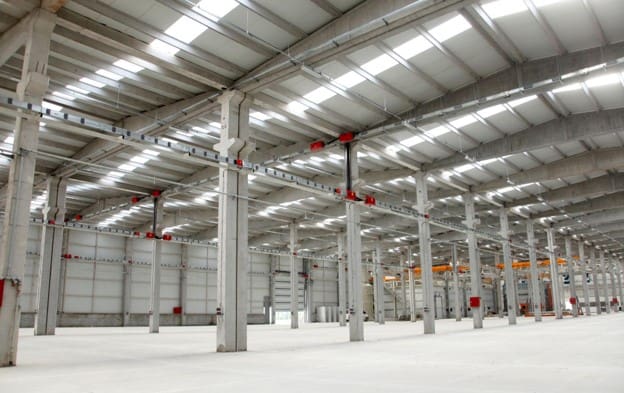
PEMB sequencing gets smoother when Steel Building Insulation Services are treated as part of the envelope plan, not a late-stage material order.
Builders don’t usually lose sleep over insulation itself. They lose sleep over delayed dry-in, crews stacking on top of each other, panel questions that should’ve been answered during submittals, and weather turning a small coordination gap into a schedule problem. One vague detail can make the field feel louder than it needs to be.
This is why insulation selection belongs earlier in the build conversation, especially when roof and wall sequencing, enclosure timing, fastening details, and inspection readiness all depend on cleaner coordination.
Why Insulation Belongs in the Sequencing Conversation
Insulation affects far more than thermal performance in a PEMB schedule. Roof panel timing, wall staging, clip coordination, crew access, and material handling all depend on how the envelope assembly comes together.
R Seal supports a cleaner path because it works as part of the roof and wall continuity plan, not as an awkward layer crews have to wrestle into place later. When product data, submittal support, and installation guidance are already clear, your team has fewer field questions standing between framing, panels, enclosure, and closeout.
The Field Risks Builders Are Actually Trying to Avoid
Sequence delays rarely come from one dramatic insulation failure. They usually build from small misses, including:
- dimensions that don’t match the roofline
- seam expectations that vary by crew
- air barrier confusion
- panel coordination issues
- delayed submittals
- rework discovered right before inspection
MBMA’s 2024 Metal Building Systems Manual reinforces how metal building work depends on common industry practices across design, manufacture, sale, and erection. In other words, coordination isn’t a side note.
With Steel Building Insulation Services, the real value is fewer surprises for crews already racing the weather, access windows, and closeout pressure.
How Roof and Wall Assemblies Change the Schedule Logic
Roof and wall insulation choices change the rhythm of the build. With R Seal, roof insulation is installed over open framing and under the roof panels, so bearing plates, clips, panel placement, and fastening expectations need to be understood before crews are moving at full speed.
Wall assemblies bring their own timing. Continuous rigid insulation goes over exterior framing before finishing panels, which means thickness, R-value, thermal break planning, and air barrier continuity should be confirmed before final sequencing.
Cleaner details give crews fewer reasons to improvise in the field.
Submittals, Codes, and the Cost of Late Decisions
Late insulation decisions can drag more than the field schedule. They can slow approvals, muddy R-value or U-factor expectations, and leave teams chasing product data right when inspection readiness should be getting cleaner.
The right Steel Building Insulation Services should support the paperwork side too, including product data sheets, installation guidance, code compliance documentation, and practical project support.
Because metal building roof and wall assemblies are often reviewed through thermal performance requirements, earlier insulation coordination gives builders across the USA fewer reasons to pause, revise, or explain preventable gaps.
Keep the Envelope Plan Ahead of the Schedule Pressure
Before the PEMB schedule tightens, bring the insulation detail into the planning conversation. ENVO Solutions supports builders with licensed national distributor access, manufacturer-backed supply, takeoff and quote support, technical documentation, practical project guidance, and custom R-value or thickness options for metal and steel building work.
From Ohio to projects across the USA, our team helps you review the assembly before the field has to solve it under pressure. Request a quote, sample, or project review before sequencing gets crowded.