
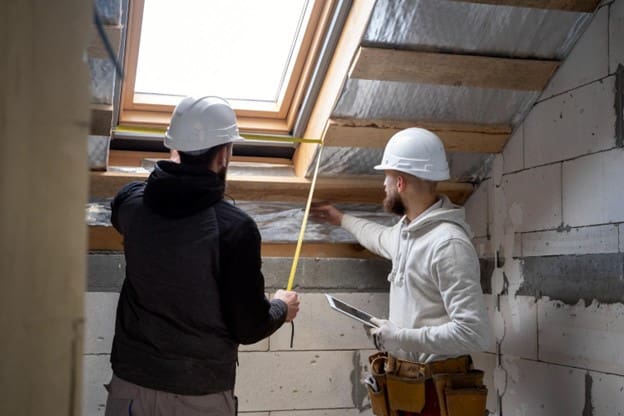
Building Roof Insulation: Benefits, Types & Best Practices
Building roof insulation plays a critical role in improving energy efficiency, protecting structural integrity, and maintaining indoor comfort in commercial and industrial facilities. Whether you’re constructing a new building or upgrading an existing roof system, proper roof insulation can significantly reduce heating and cooling costs while extending the lifespan of your roofing assembly.
In this guide, we’ll explain what building roof insulation is, how it works, the most common insulation types, and how to choose the right solution for your project.
What Is Building Roof Insulation?
Building roof insulation refers to the insulating materials installed within or above a roof system to reduce heat transfer between the interior and exterior of a building. It helps regulate temperature, improve energy efficiency, and prevent moisture-related damage.
In commercial buildings, roof insulation is especially important because large roof surfaces are exposed to direct sunlight, rain, snow, and temperature fluctuations throughout the year.
Proper insulation helps:
-
Minimize energy loss
-
Improve HVAC performance
-
Enhance occupant comfort
-
Reduce condensation risks
-
Support long-term roof durability
How Building Roof Insulation Works
Roof insulation works by slowing down the movement of heat. During colder months, it helps keep warm air inside the building. In warmer months, it reduces heat entering through the roof.
The effectiveness of building roof insulation is typically measured by R-value, which indicates thermal resistance. Higher R-values mean better insulation performance.
For commercial properties, insulation is usually installed:
-
Beneath the roof membrane
-
Above the roof deck
-
Within metal panel systems
-
As part of a spray foam application
Selecting the right installation method depends on the building structure and roofing system.
Types of Building Roof Insulation
There are several materials commonly used for roof insulation in commercial and industrial buildings:
1. Polyisocyanurate (Polyiso)
Polyiso insulation boards are widely used in flat and low-slope roofing systems. They provide high R-values and strong thermal performance, making them popular in commercial construction.
Best for: Flat commercial roofs requiring high thermal efficiency.
2. Spray Polyurethane Foam (SPF)
Spray foam insulation expands upon application, creating a seamless, airtight barrier. It provides excellent insulation and moisture resistance.
Best for: Roof retrofits and buildings requiring air-sealing benefits.
3. Mineral Wool
Mineral wool offers both thermal insulation and fire resistance. It is often used where additional fire protection is required.
Best for: Industrial facilities with fire performance needs.
4. Rigid Board Insulation
Rigid boards are durable and easy to install in flat roofing assemblies. They are often layered for increased R-value.
Best for: Commercial roofs needing structural support and moisture resistance.
Benefits of Building Roof Insulation
Investing in proper building roof insulation delivers multiple advantages:
Energy Efficiency
Insulation reduces the strain on HVAC systems, lowering energy consumption and operating costs.
Improved Indoor Comfort
By stabilizing interior temperatures, insulation helps maintain consistent comfort levels for employees and occupants.
Moisture Control
Proper insulation reduces condensation buildup, which can prevent mold growth and structural damage.
Extended Roof Lifespan
Well-insulated roofing systems experience less thermal stress, helping extend membrane and structural durability.
Code Compliance
Many building codes require specific R-values for commercial roof systems. Insulation ensures compliance with local energy regulations.
Building Roof Insulation for New Construction vs. Retrofits
New Construction
In new buildings, insulation can be fully integrated into the roofing system from the beginning. This allows for optimized layering and improved thermal performance.
Roof Replacement or Retrofit
For existing buildings, insulation can often be upgraded during roof replacement projects. Adding insulation during a reroof can improve energy performance without major structural modifications.
Common Mistakes to Avoid
When planning building roof insulation, avoid these common issues:
-
Choosing insulation without considering R-value requirements
-
Ignoring moisture and vapor control layers
-
Poor installation leading to gaps or compression
-
Overlooking compatibility with the roofing membrane
-
Failing to meet local building codes
Professional installation is essential to ensure performance and warranty compliance.
How to Choose the Right Building Roof Insulation
When selecting insulation, consider:
- Climate Conditions – Cold regions require higher R-values.
- Roof Type – Flat, low-slope, and metal roofs require different systems.
- Building Usage – Warehouses, offices, and industrial buildings have different needs.
- Budget & ROI – Higher-performance insulation often reduces long-term energy costs.
- Moisture Exposure – Proper vapor barriers are critical in humid environments.
A professional evaluation can help determine the most suitable insulation system for your building.
Why Building Roof Insulation Matters Long Term
Roof insulation is not just an energy upgrade — it’s a long-term investment in your building’s structural integrity and operational efficiency. Properly installed insulation can:
-
Reduce lifetime energy expenses
-
Improve environmental performance
-
Protect roofing materials from extreme temperature swings
-
Enhance property value
For commercial properties, these benefits translate directly into operational savings and improved building performance.
Get Expert Guidance for Building Roof Insulation
If you are planning a new commercial roof or upgrading an existing system, professional guidance is essential to ensure optimal insulation performance. Choosing the right materials and installation approach can make a significant difference in long-term durability and efficiency.
Contact a roofing professional to evaluate your building’s needs and determine the best building roof insulation solution for your project.
What is building roof insulation?
Building roof insulation is a thermal barrier installed within a roofing system to reduce heat transfer, improve energy efficiency, and protect the building structure from moisture and temperature fluctuations.
What is the best insulation for commercial building roofs?
The best insulation depends on the roof type and performance needs. Polyiso boards are common for flat roofs, spray foam offers air-sealing benefits, and mineral wool provides added fire resistance.
How much energy can roof insulation save?
Proper building roof insulation can significantly reduce heating and cooling costs by improving HVAC efficiency and minimizing thermal loss, especially in large commercial buildings.